A physical AI companion that translates a Claude agent's behavior into expressive motion through ferrofluid and electromagnetic actuation. Winner of the MIT AI Hardware Hackathon and later shown at Anthropic's Code with Claude developer conference, San Francisco, 2026.
Team: Kevin Dunnell, Xdd44, Tawab Safi
Generative sketches, shaders, and browser experiments. Investigations into form, motion, and emergent behavior in code.
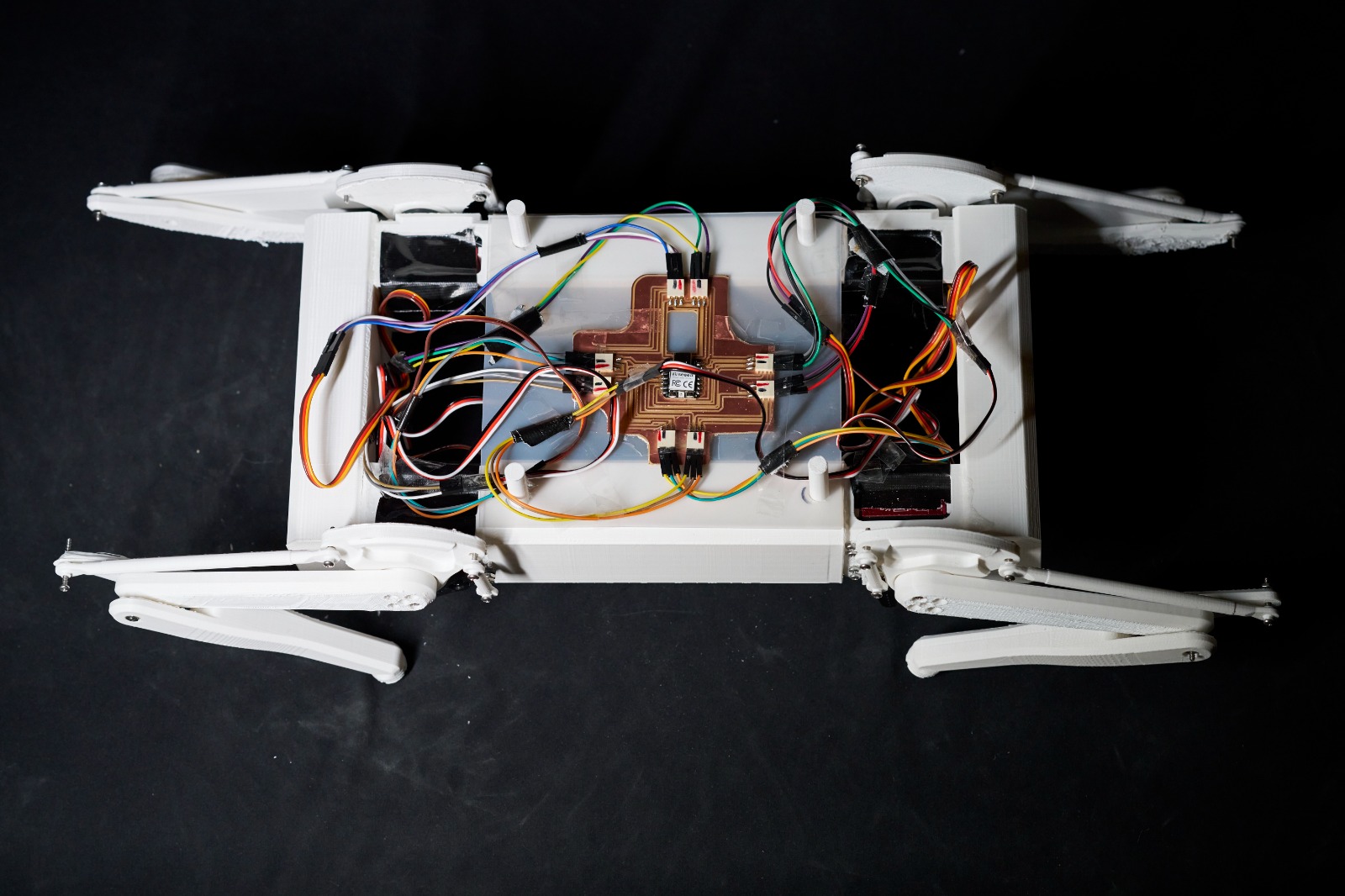
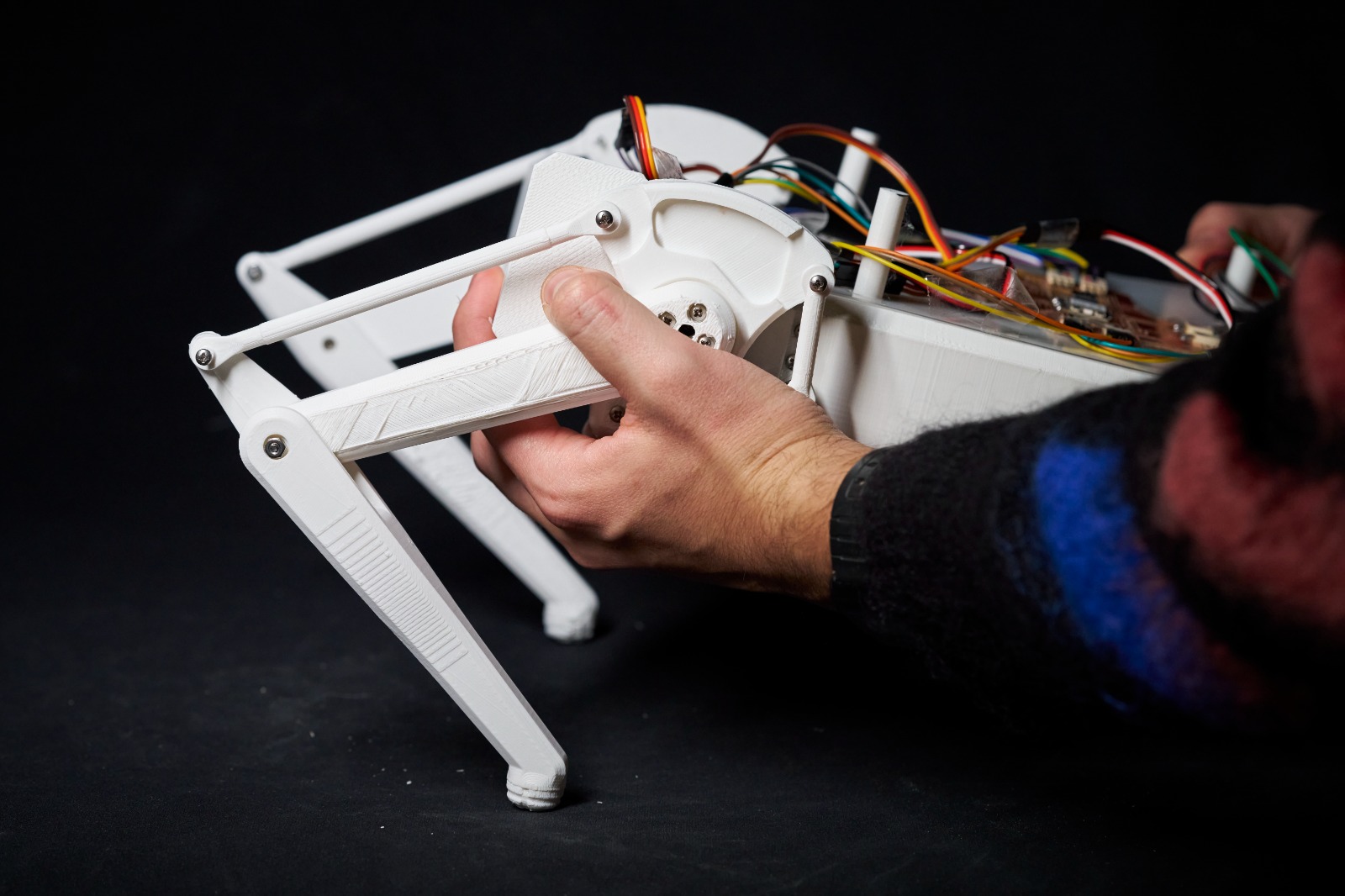
An autonomous piece of furniture that walks, developed at MIT. Four legged linkages driven by embedded motors let a coffee table relocate itself around a room, exploring how everyday objects behave when given the ability to move on their own.
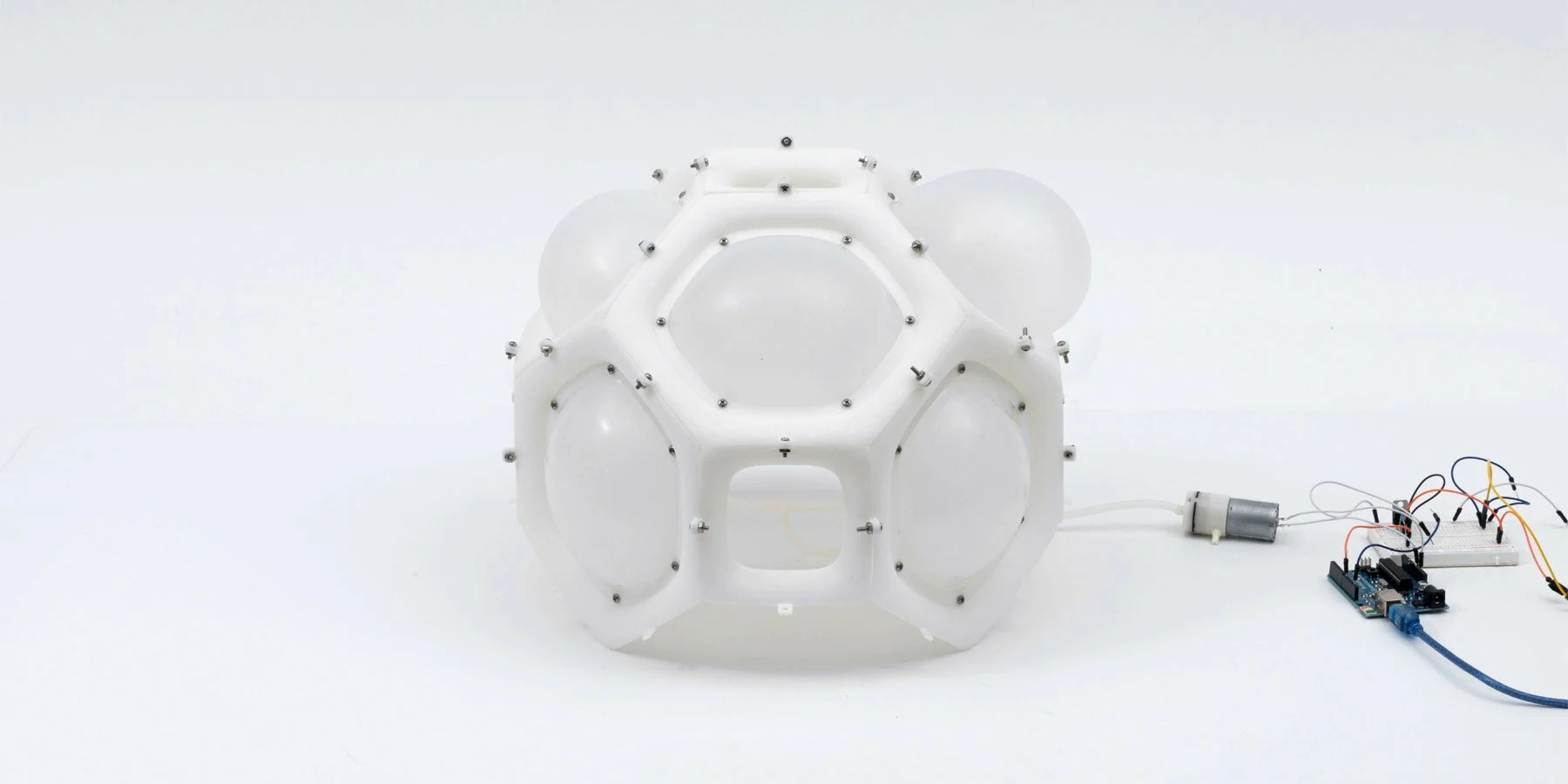
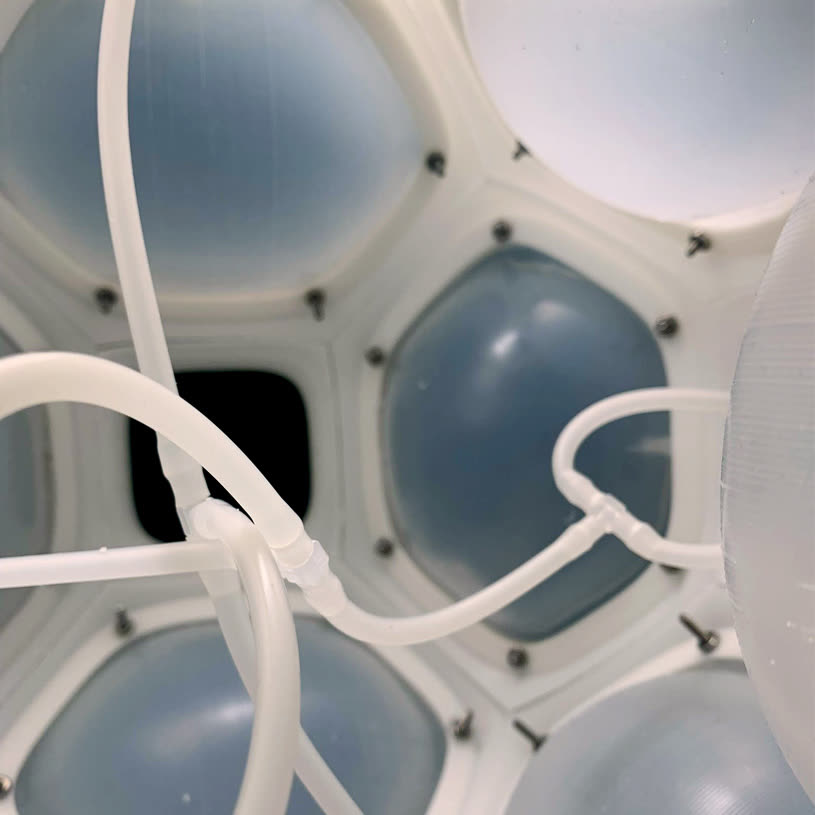
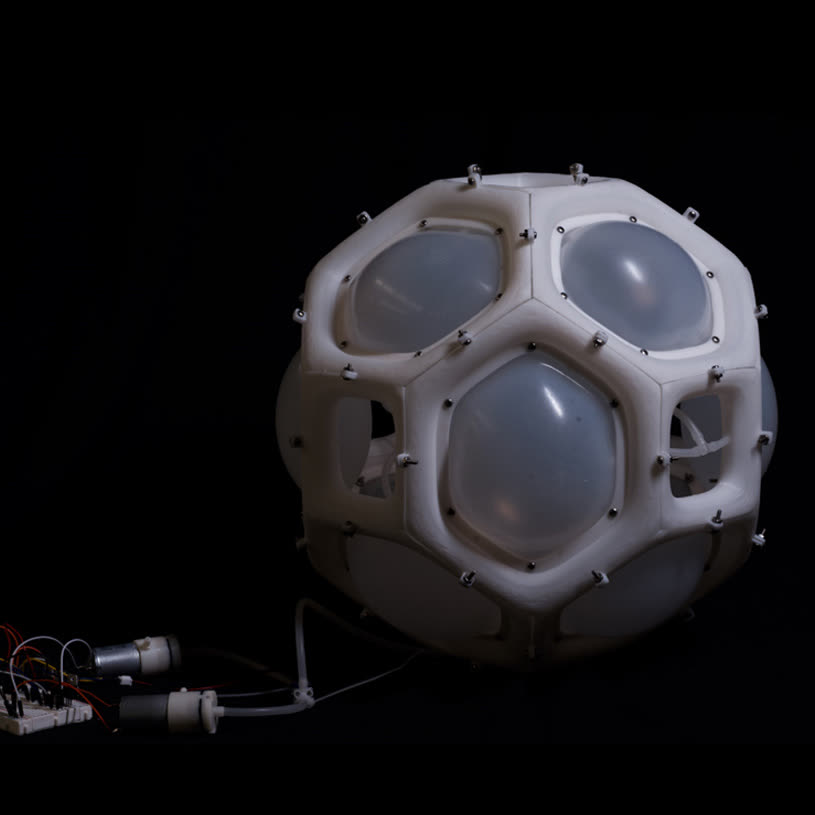
A soft-robotic breathing system developed at MIT. Silicone chambers pulse under language-model control, translating model state into physical respiration and exploring how AI can express calm, urgency, and rest through synthetic tissue.


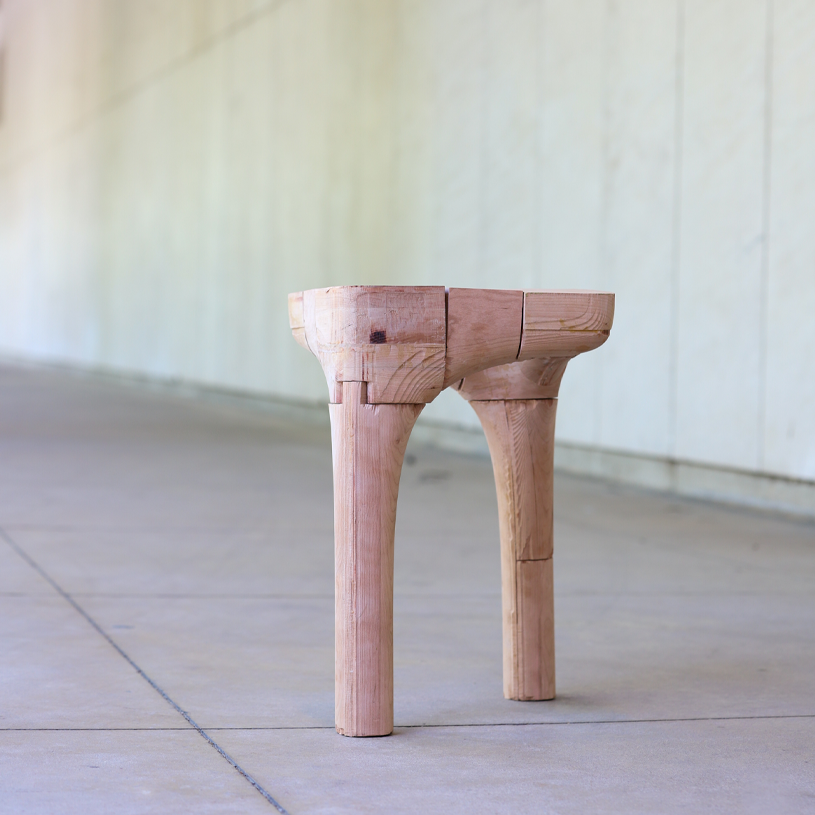
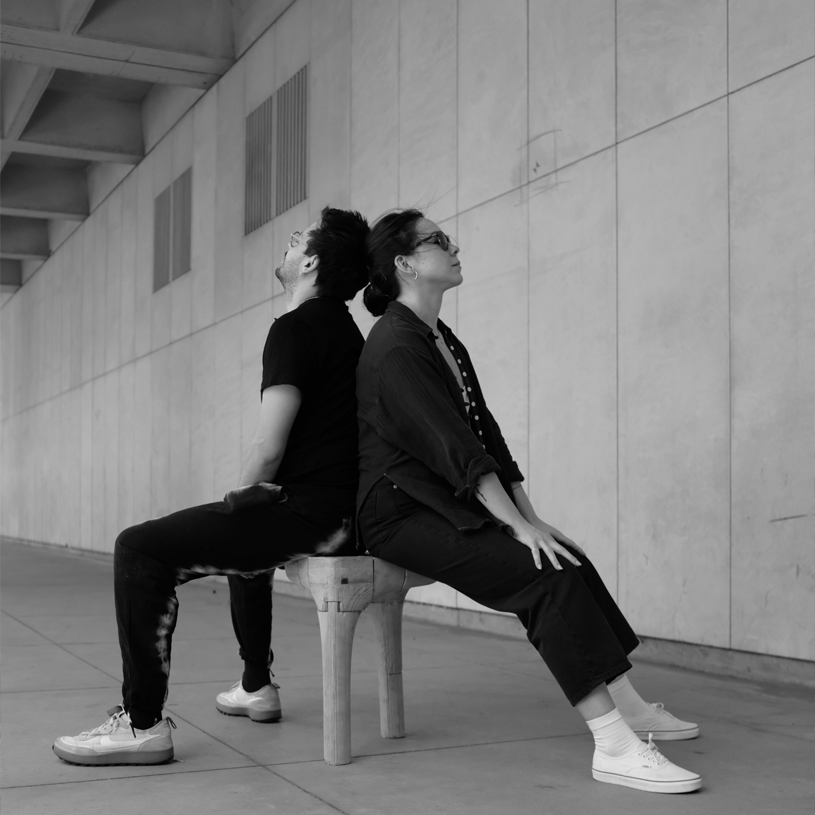
A two-person maple stool designed at MIT that balances on only two legs, requiring users to sit back-to-back for mutual support. CNC-milled with a dovetail joinery system that lets a robot assemble the pieces in pre-calculated coordinates. A study in how craft, robotic fabrication, and structural indeterminacy can invite human connection in an age of screen-based isolation.
Team: Yiqing Wang, Justin Brazier


A self-assembling lunar habitat designed at MIT for the Artemis era. Modular units deploy on the lunar surface into a habitable enclosure, studying how architecture behaves under reduced gravity, thermal extremes, and autonomous assembly logic.
Team: Xdd44, Kevin Dunnell, Adam Boldi, Katie Chun
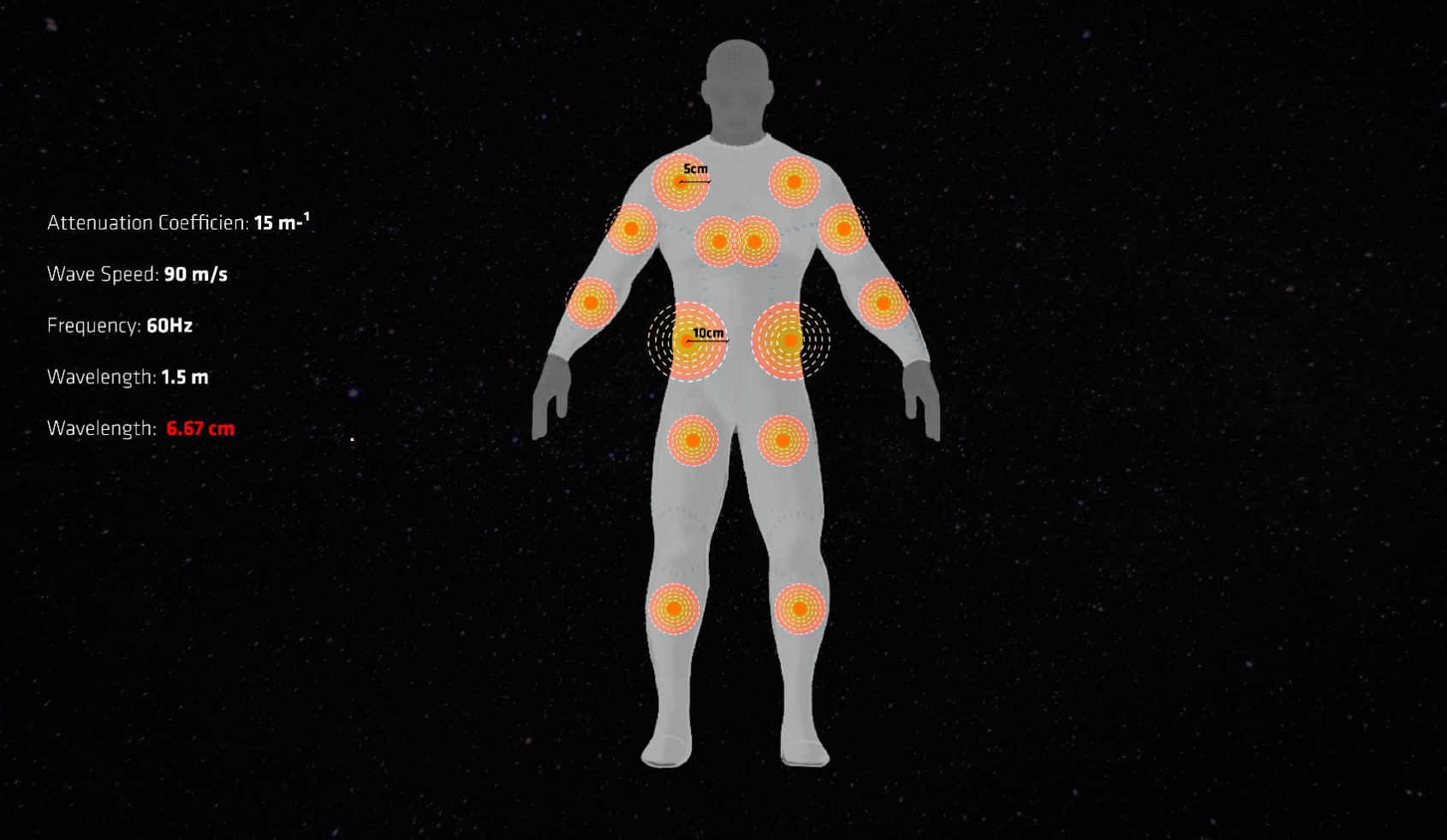
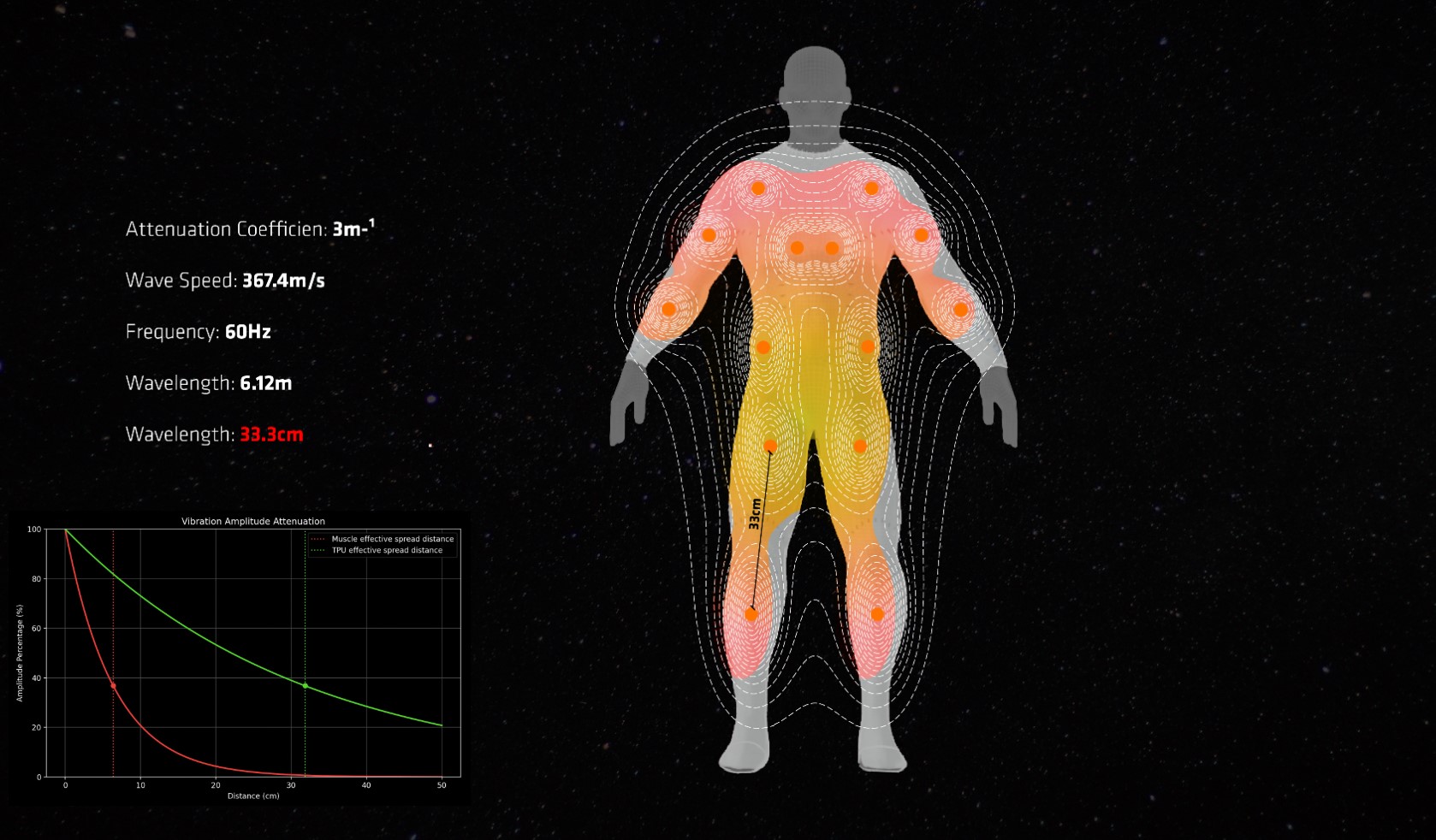
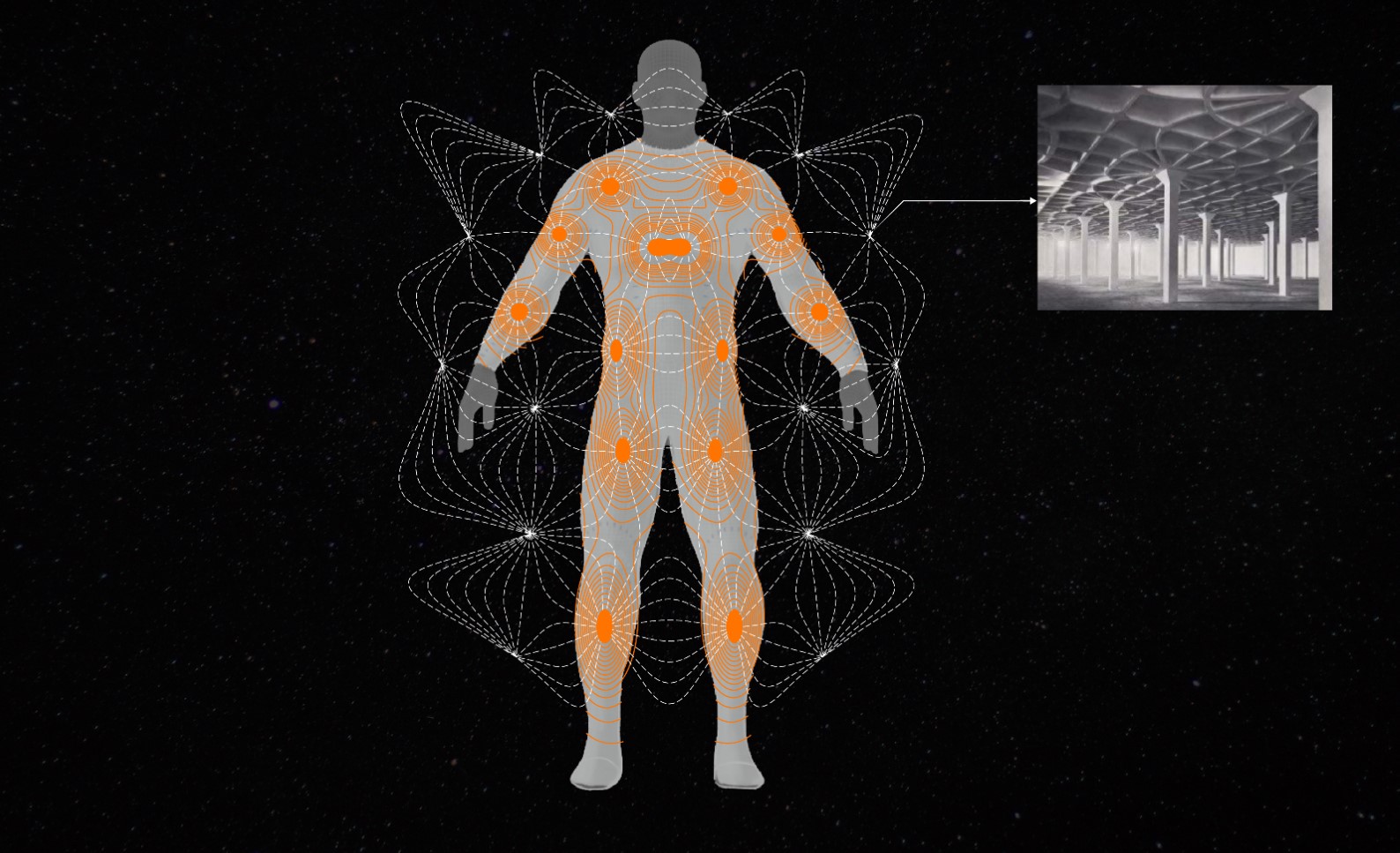
A color-changing space suit tested in zero gravity. The garment shifts across the body in response to vibration patterns delivered through 3D-printed TPU channels, visualizing the therapy that slows musculoskeletal degradation during long-duration missions. Currently on view at the Exploratorium's Life in Space exhibit in San Francisco.
Team: Xdd44, Narah Deeb, Farida Moustafa


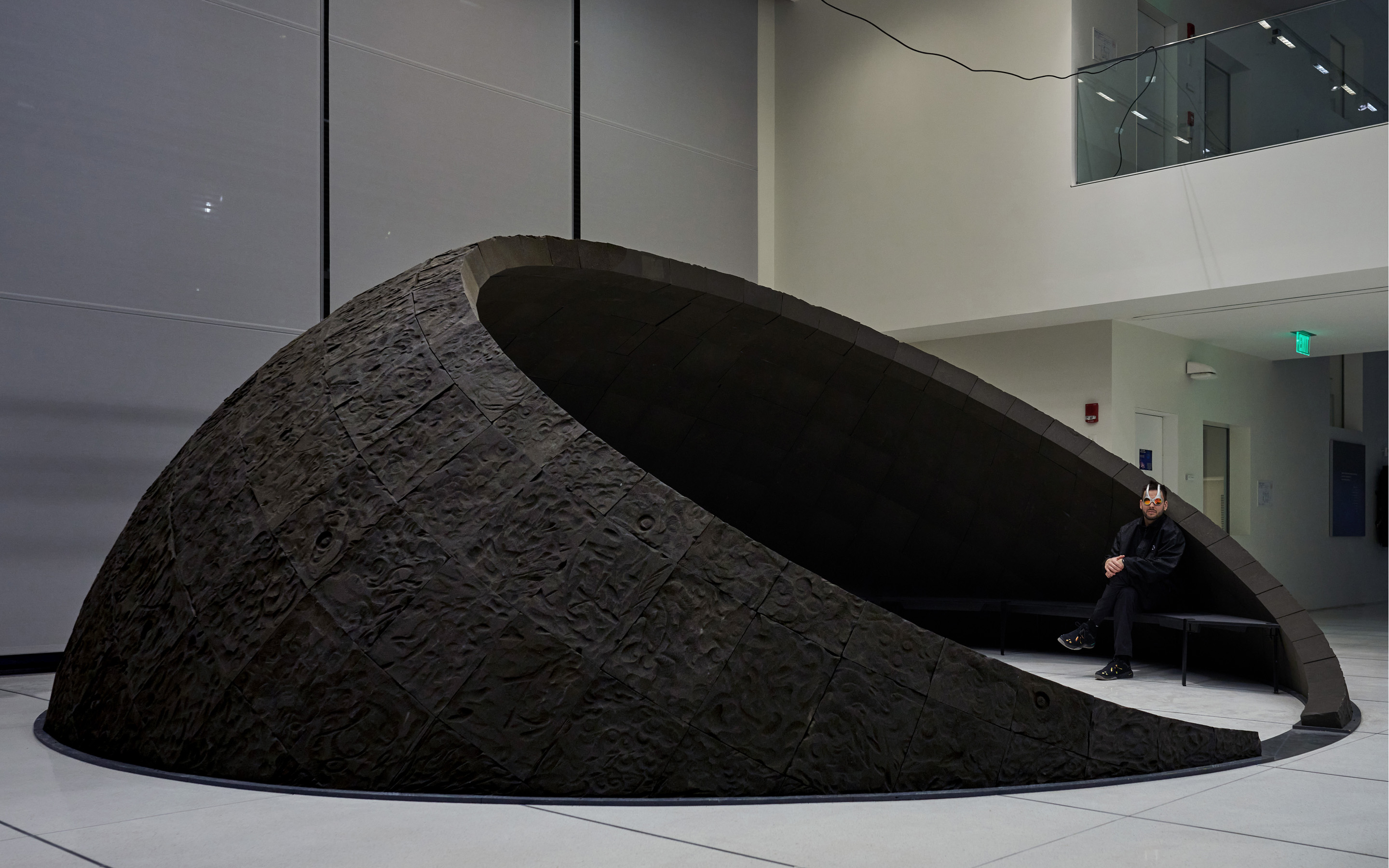
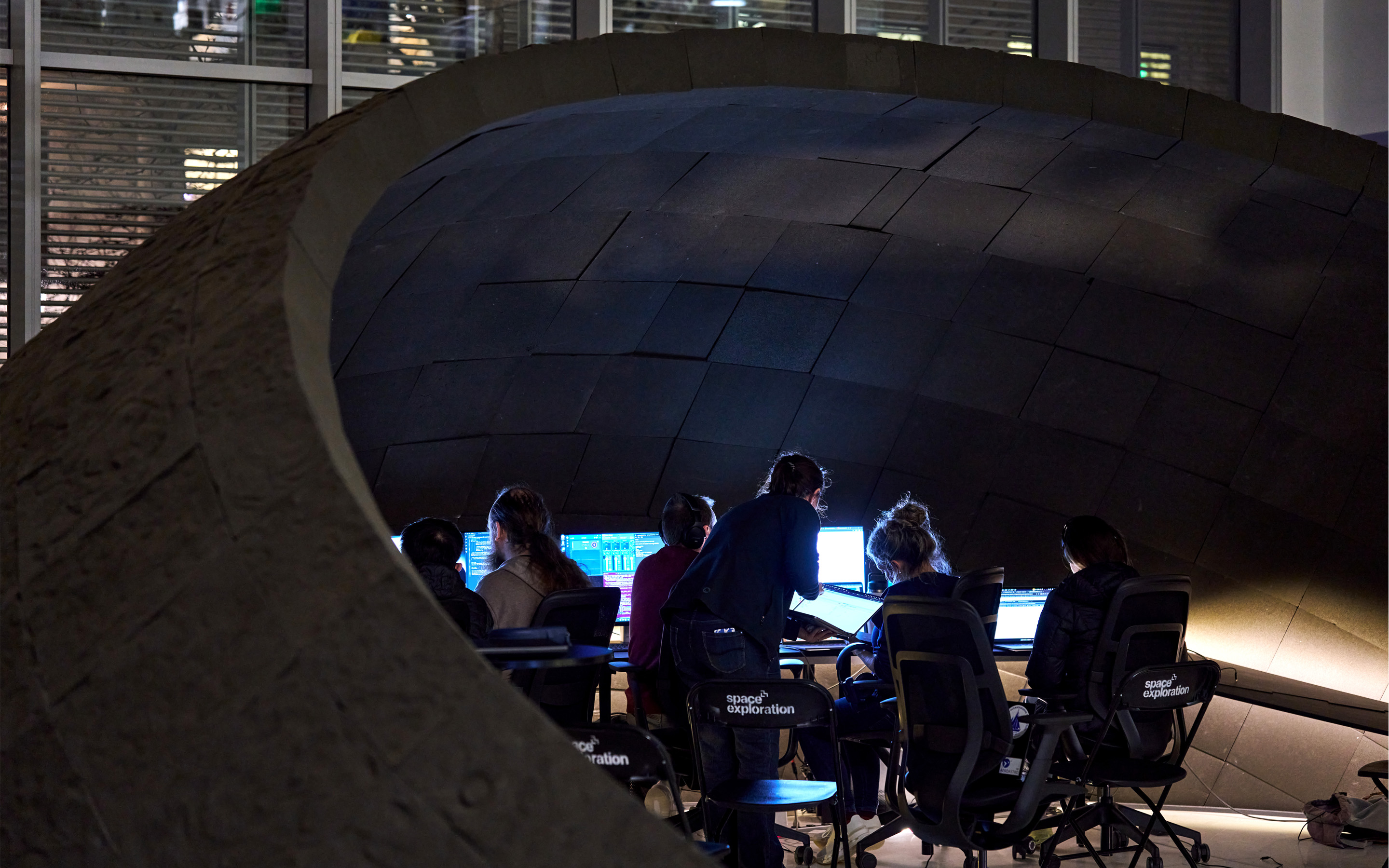
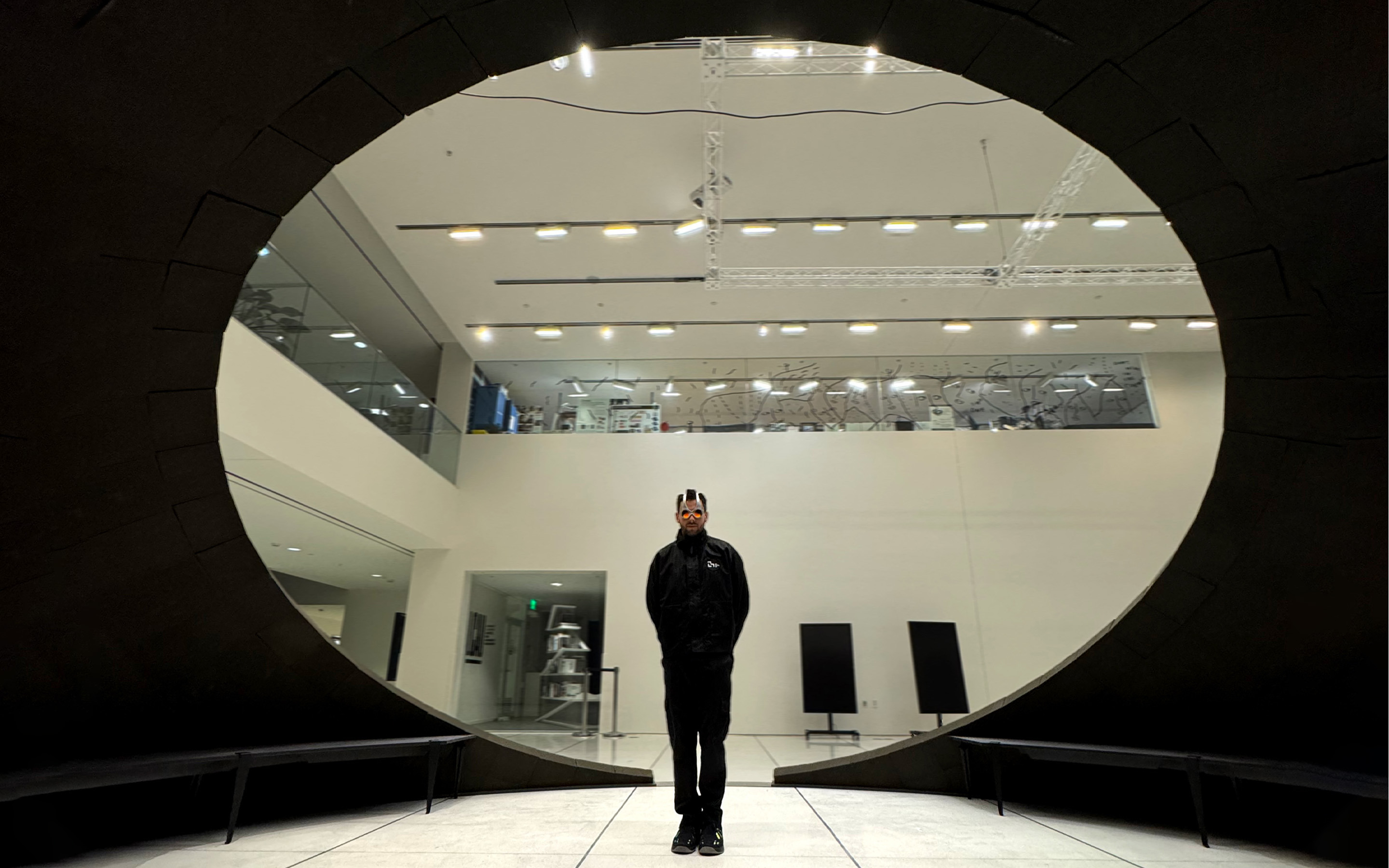
A full-scale compression dome designed for MIT's lunar landing program. Computed through graphic statics and built from discrete foamed glass blocks held together by geometry and gravity alone, exploring how structures might deploy on the Moon using local material logic.
Team: Nebyu Haile, Simon Lesina Debiasi, John Ochsendorf, Skylar Tibbits


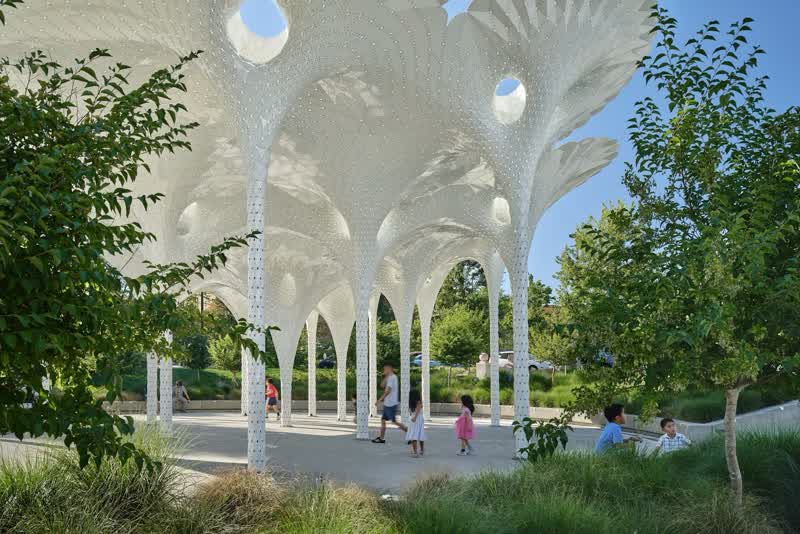
An MIT spinout using machine learning to formulate sprayable bio-based composites from sawmill waste — a three-component formula deposited through industrial robotic arms at architectural scale, from furniture to pavilions to permanent structural applications.
Drawings from the Flying Kites series — architectural representation that steps outside plan, section, and elevation. Born in the intersection of the mundane and the magical, inspired by early works of Zaha Hadid, Daniel Libeskind, and Wolf Prix.
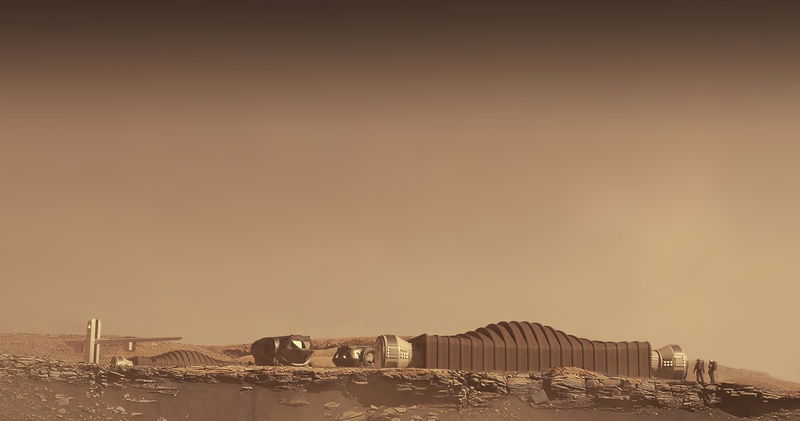
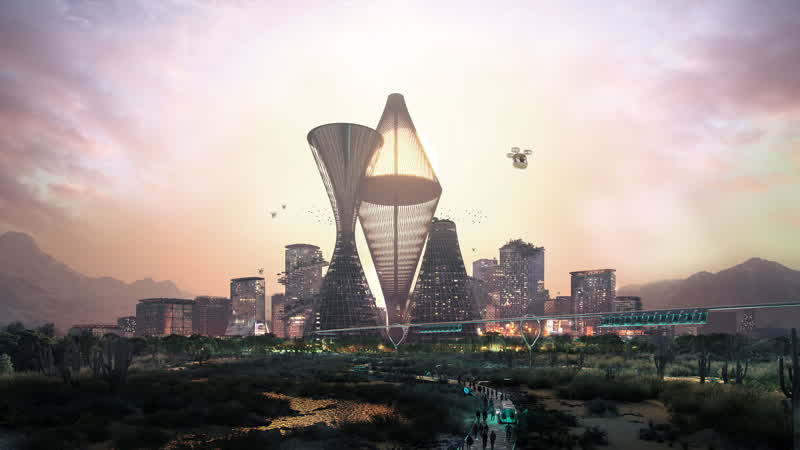
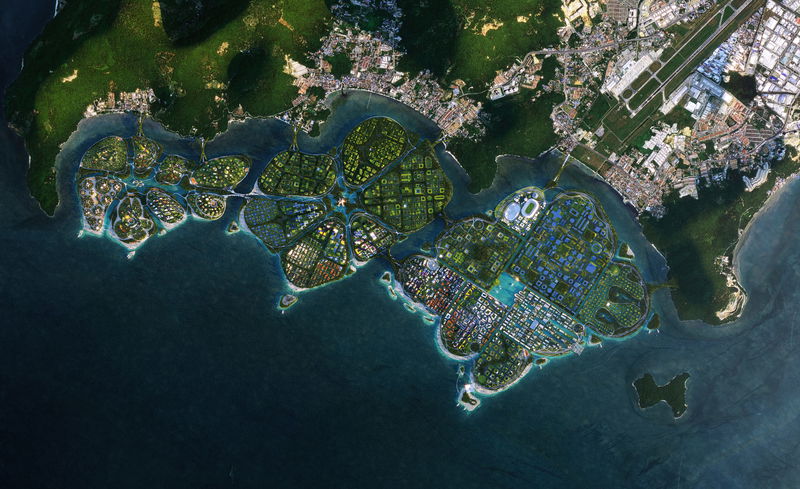
Previous industry work at Bjarke Ingels Group, MarcFornes / TheVeryMany, and ICON. Contributions spanning NASA's 3D-printed Mars habitat, Telosa's new-city vision, BiodiverCity Penang's regenerative archipelago, and algorithmic pavilions at architectural scale.