
06
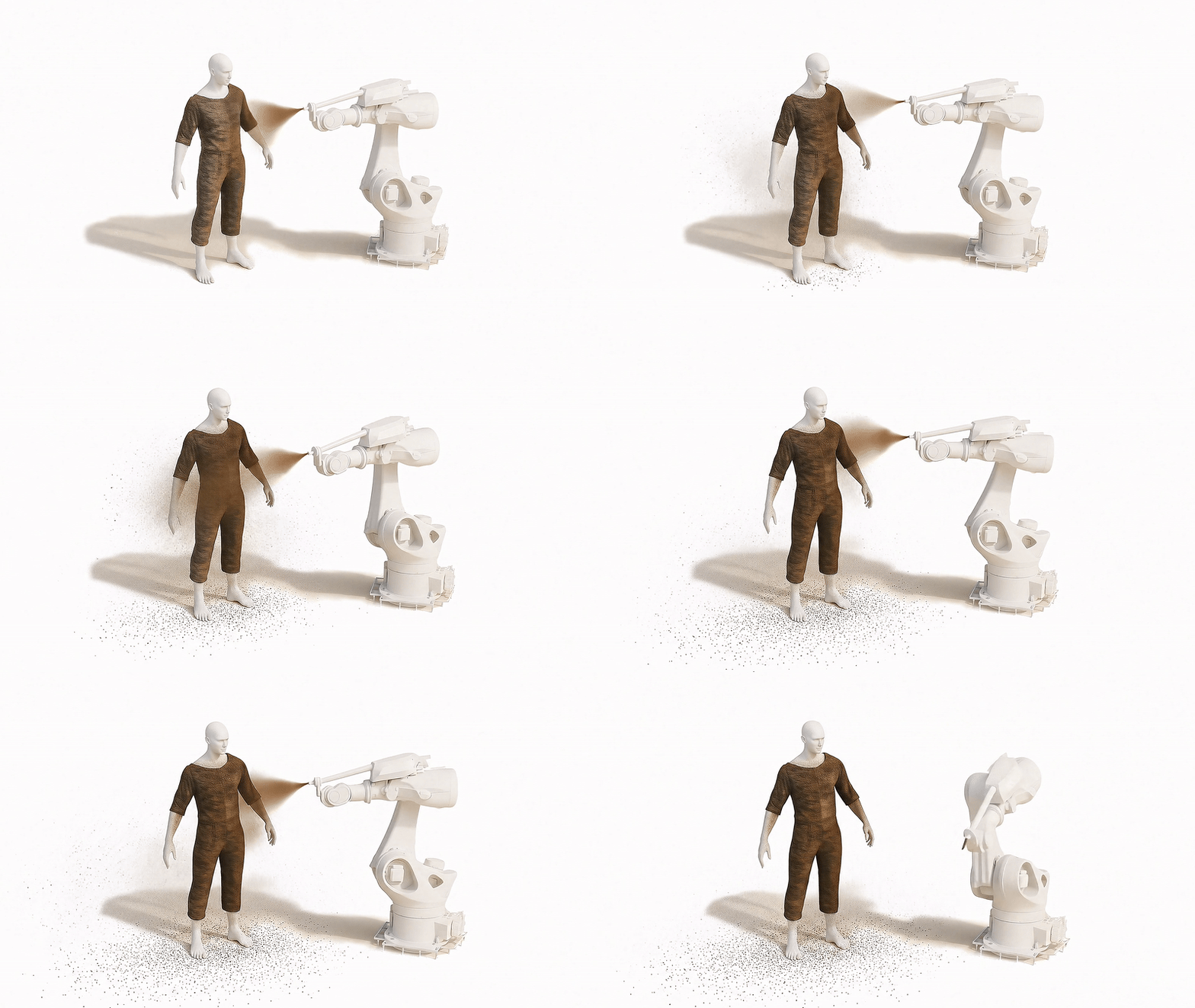
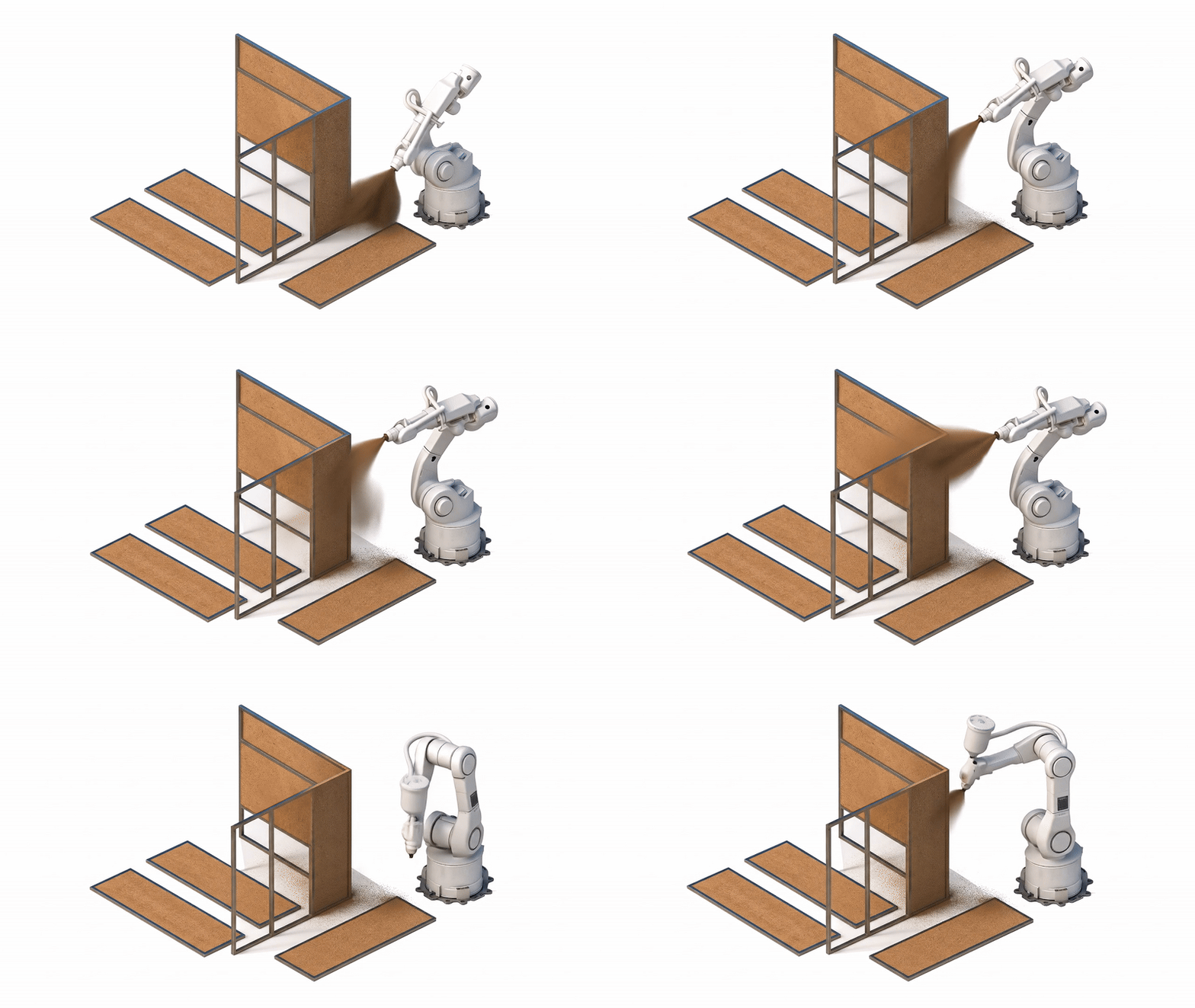
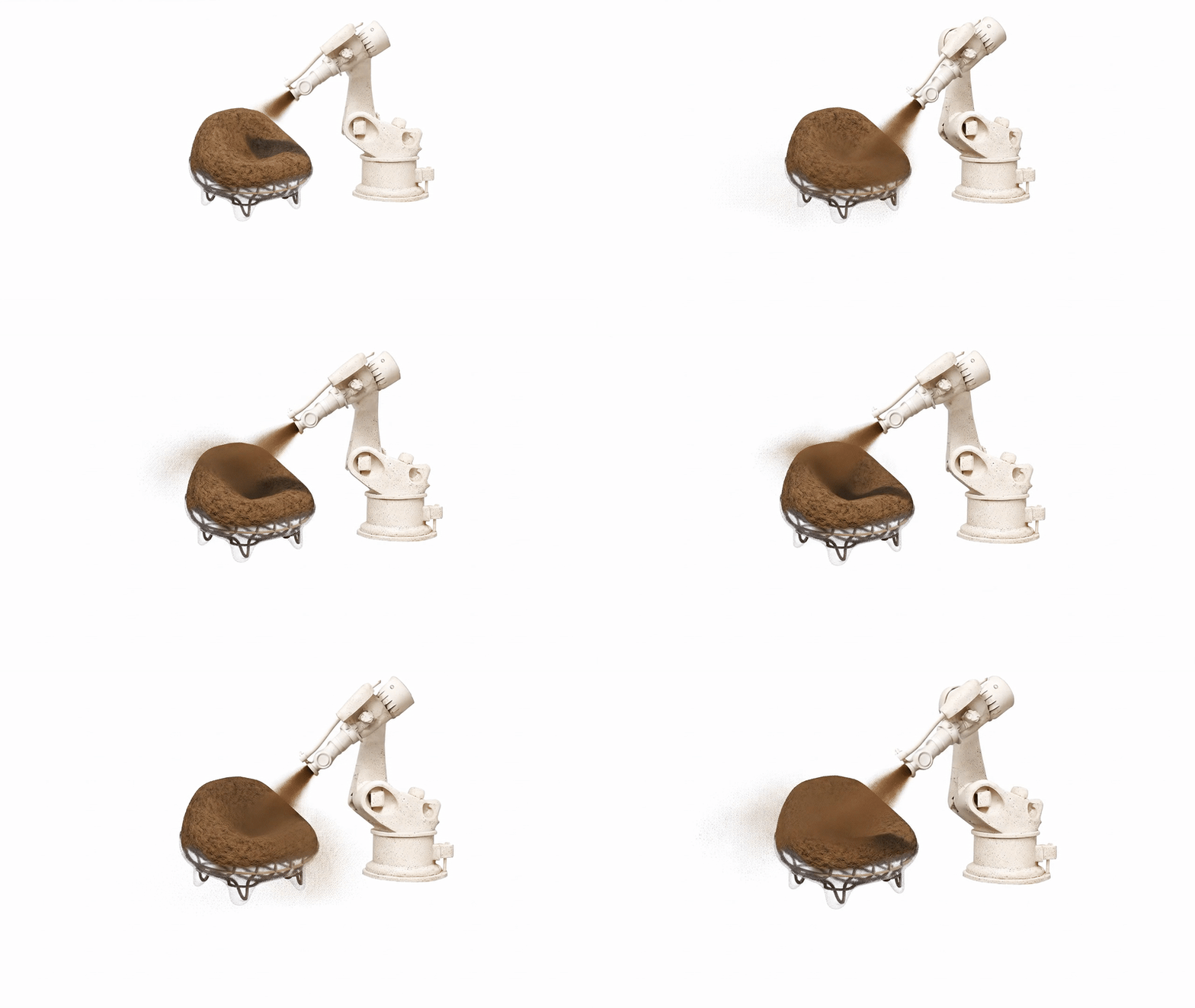
The construction industry is a major contributor to global carbon emissions, while sawmilling generates an enormous and underutilized waste stream — 45–55% of each harvested tree becomes sawdust, chips, or bark that is typically burned, landfilled, or bound into low-value composites. WoodSpray proposes a new pathway for this material: a sprayable, biodegradable structural composite, applied robotically over reusable formwork as a faster, healthier, and substantially lower-carbon alternative to petrochemical products.
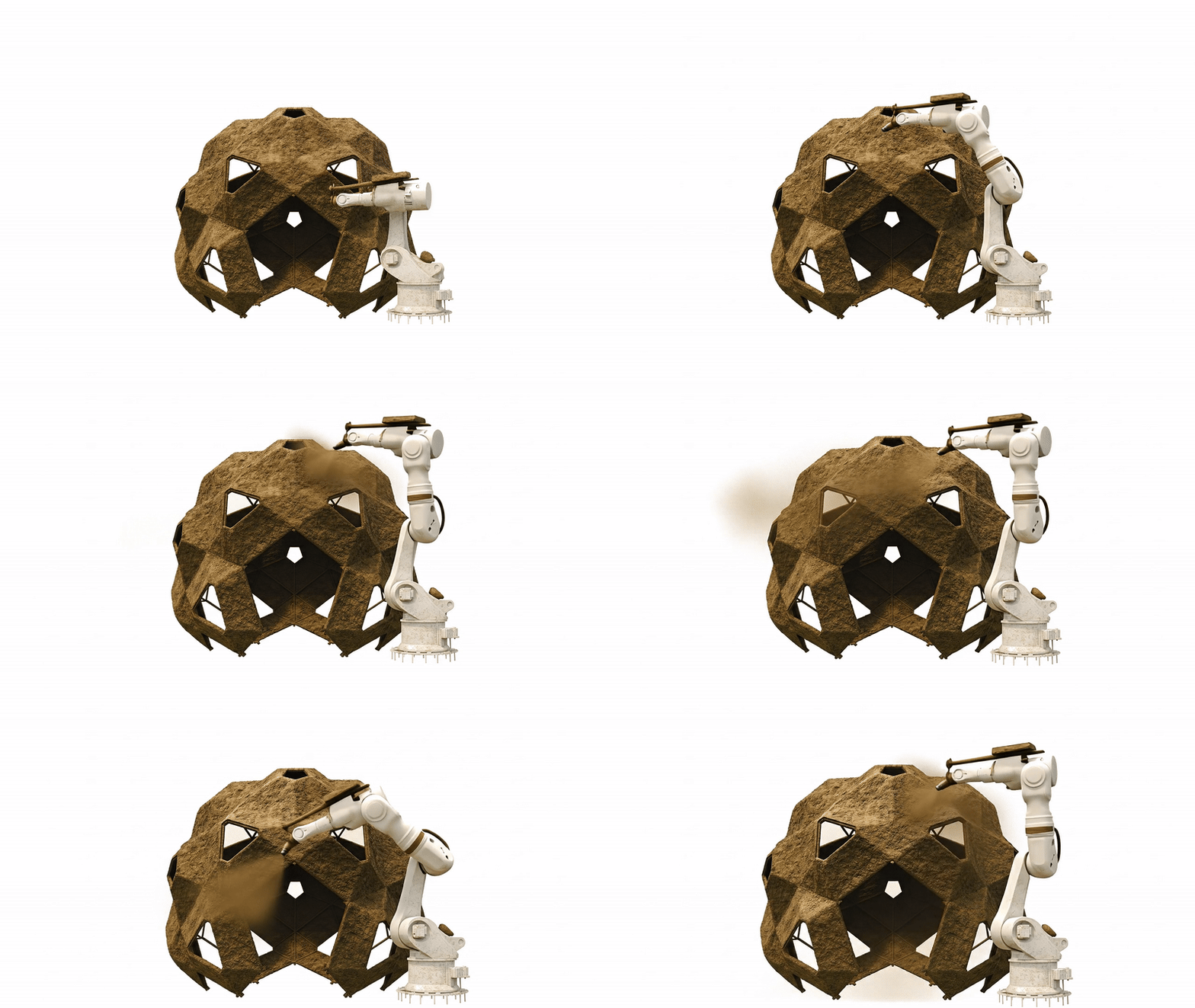
The research advances through three areas: material formulation, refining binder ratios, particle sizes, and rheology for consistent sprayable pastes; performance testing, evaluating adhesion, strength, moisture and UV durability, and thermal behavior; and full-scale prototyping, deploying robotic spraying at architectural scale. Results confirm that sawmill residues can form a carbon-storing, structurally capable composite suited to rapid robotic deposition, establishing WoodSpray as a regenerative construction material that upcycles waste, reduces labor intensity, and enables new fabrication workflows at the intersection of bio-based chemistry and automation.
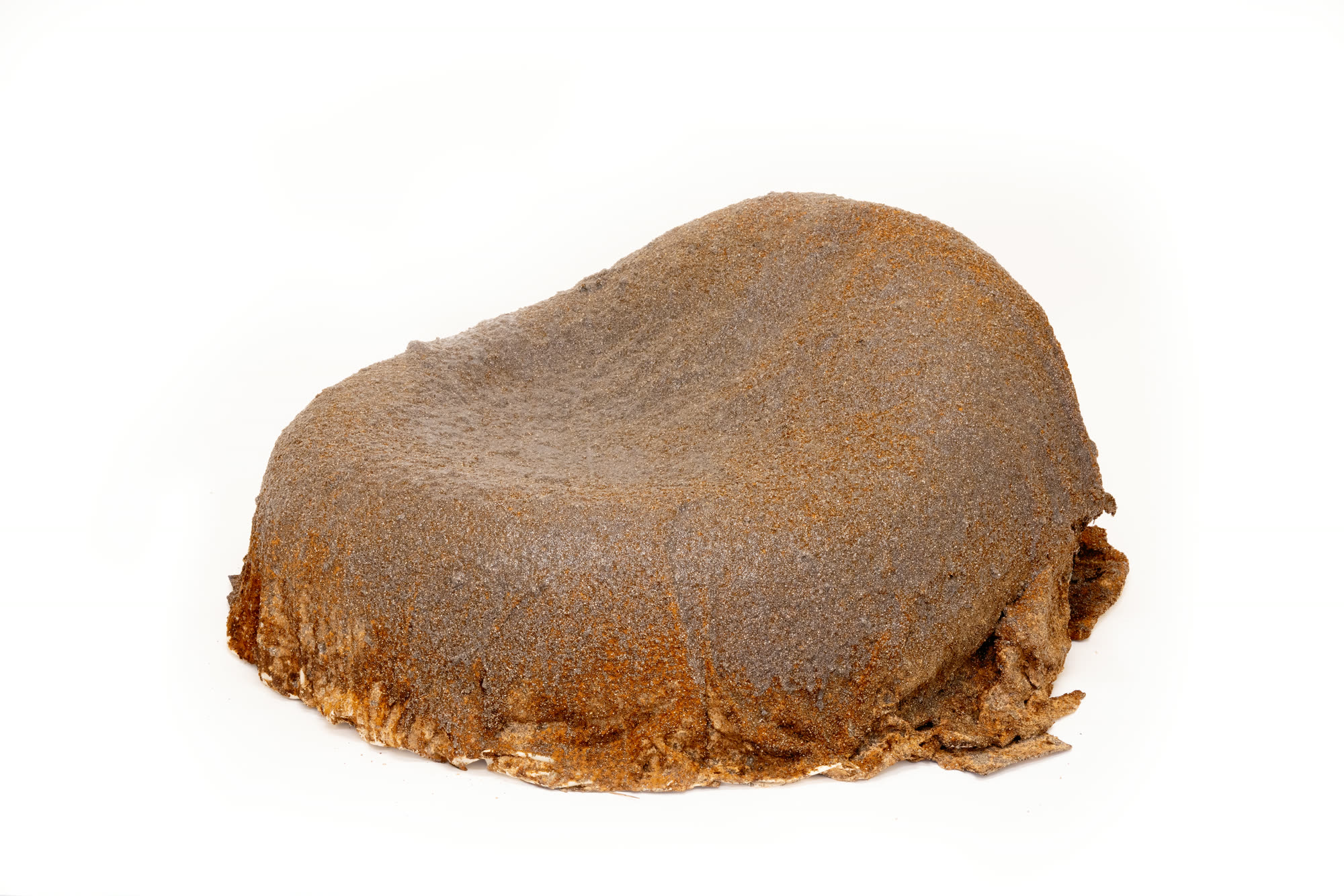
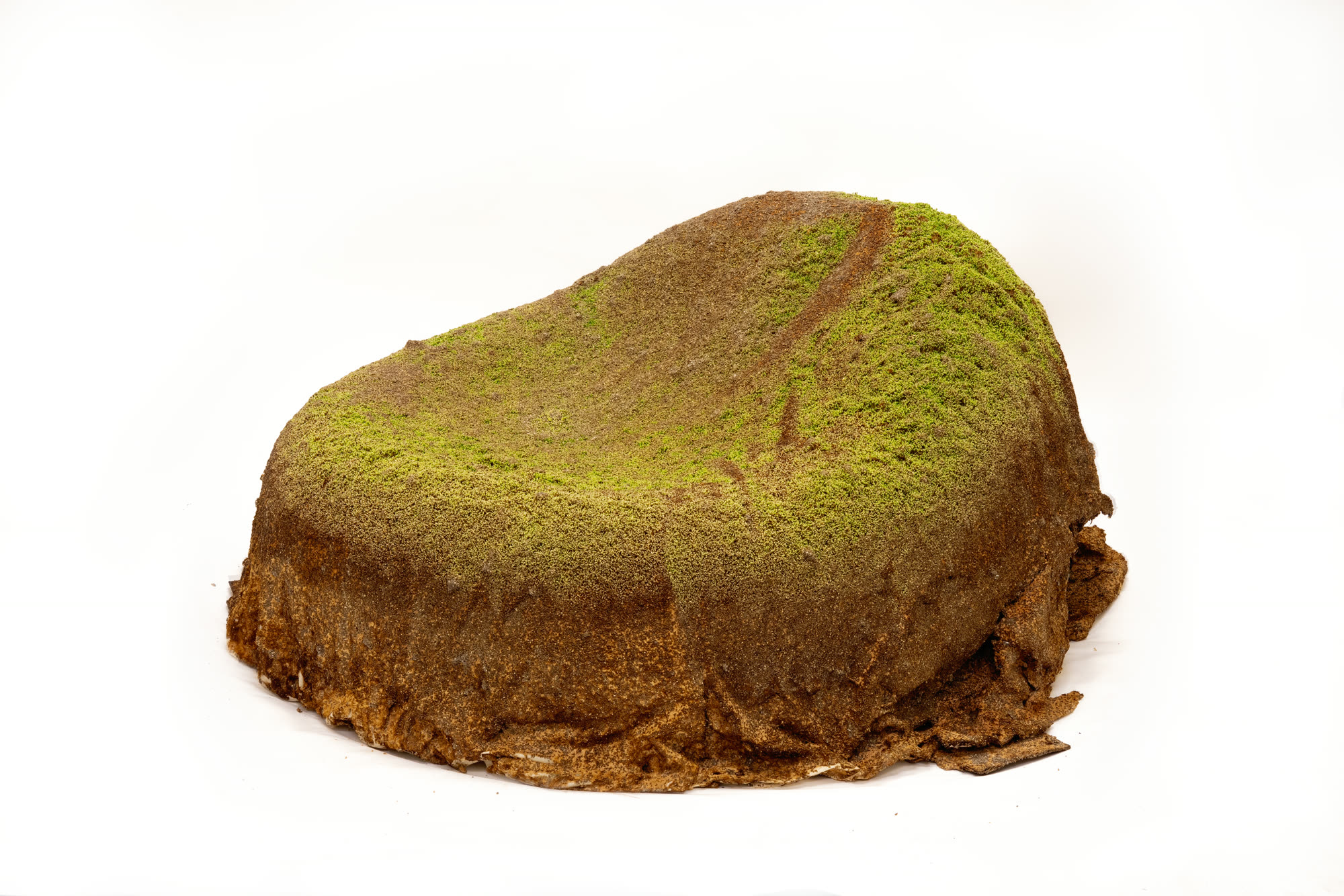

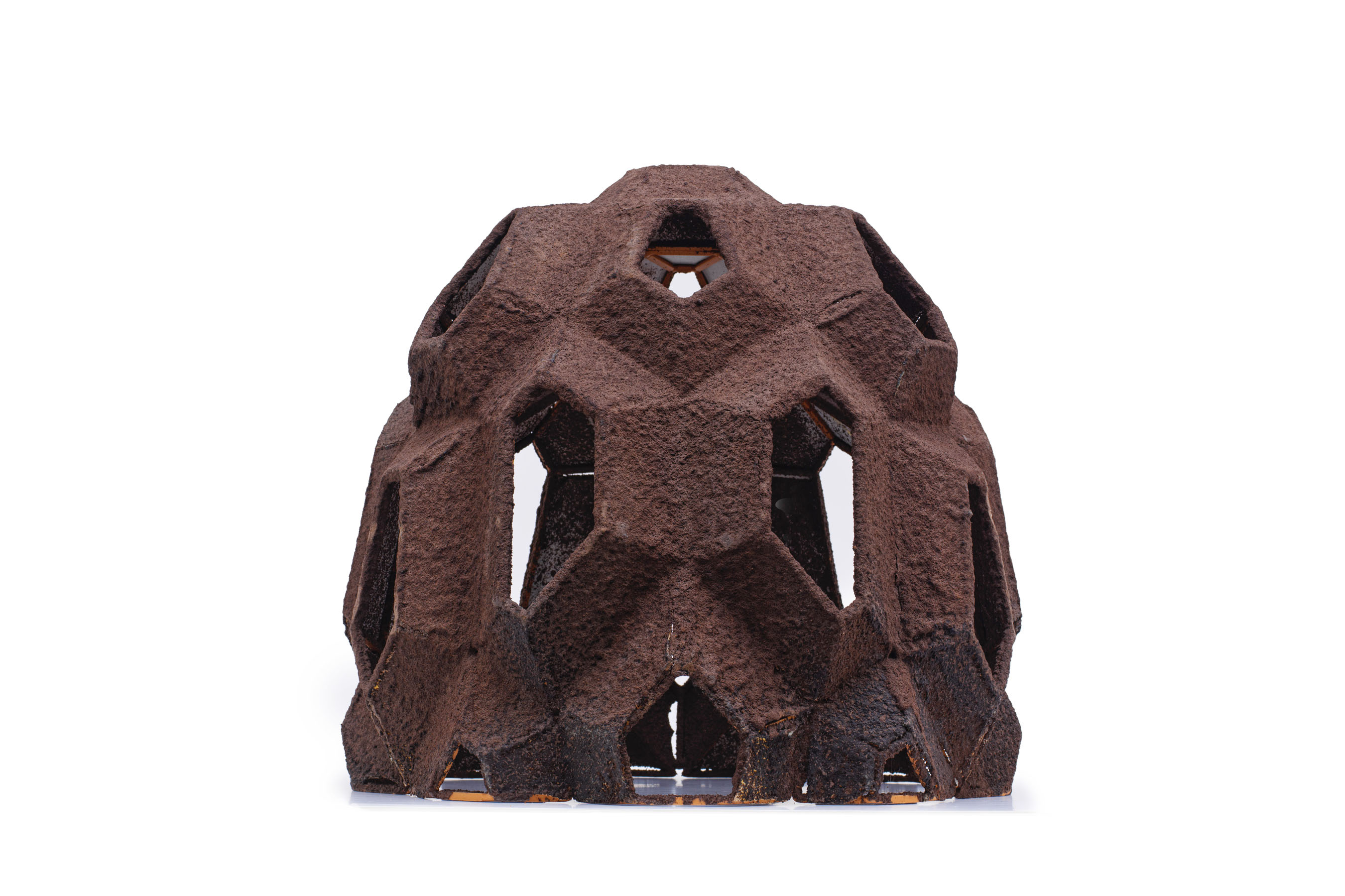
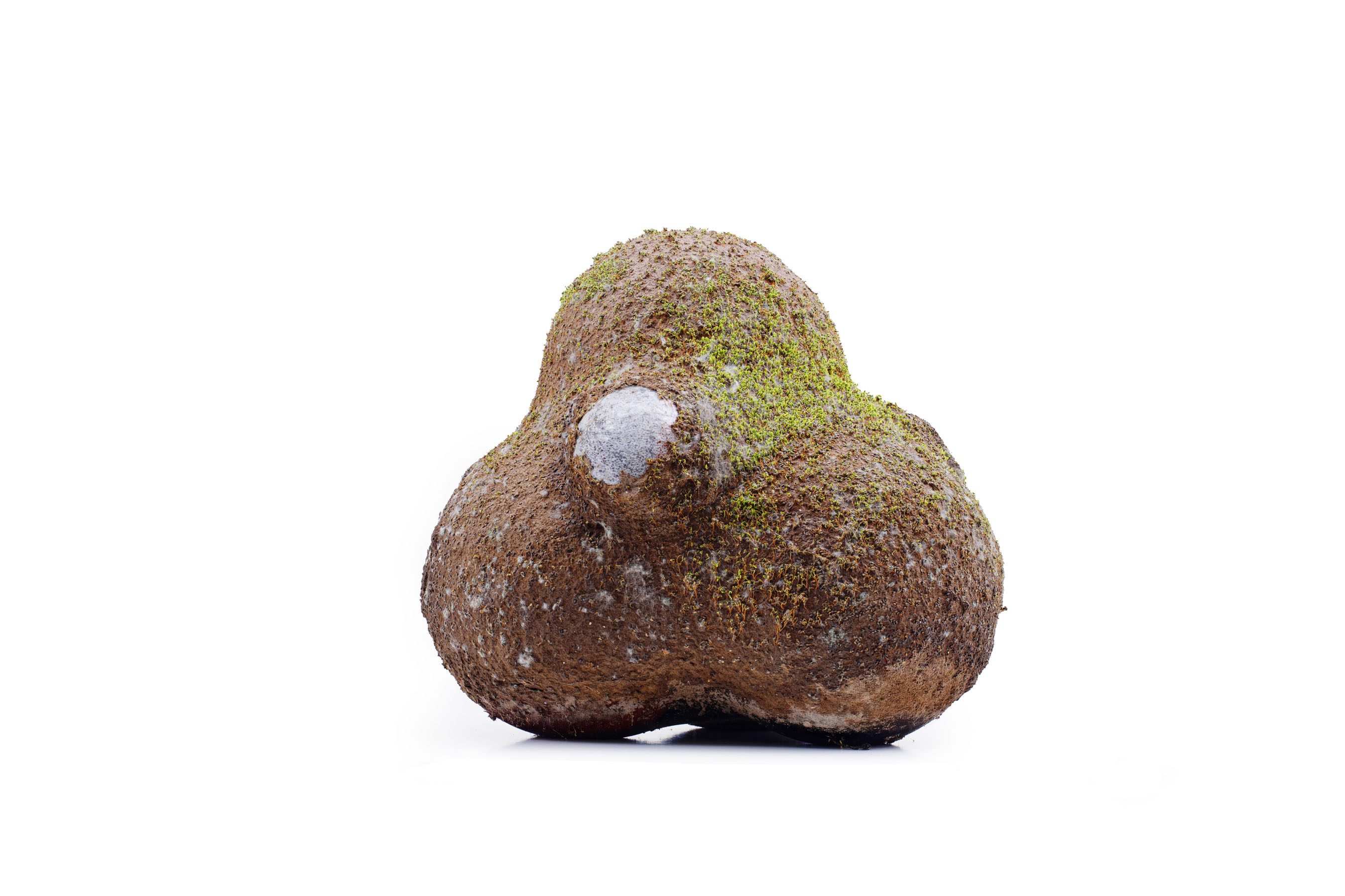
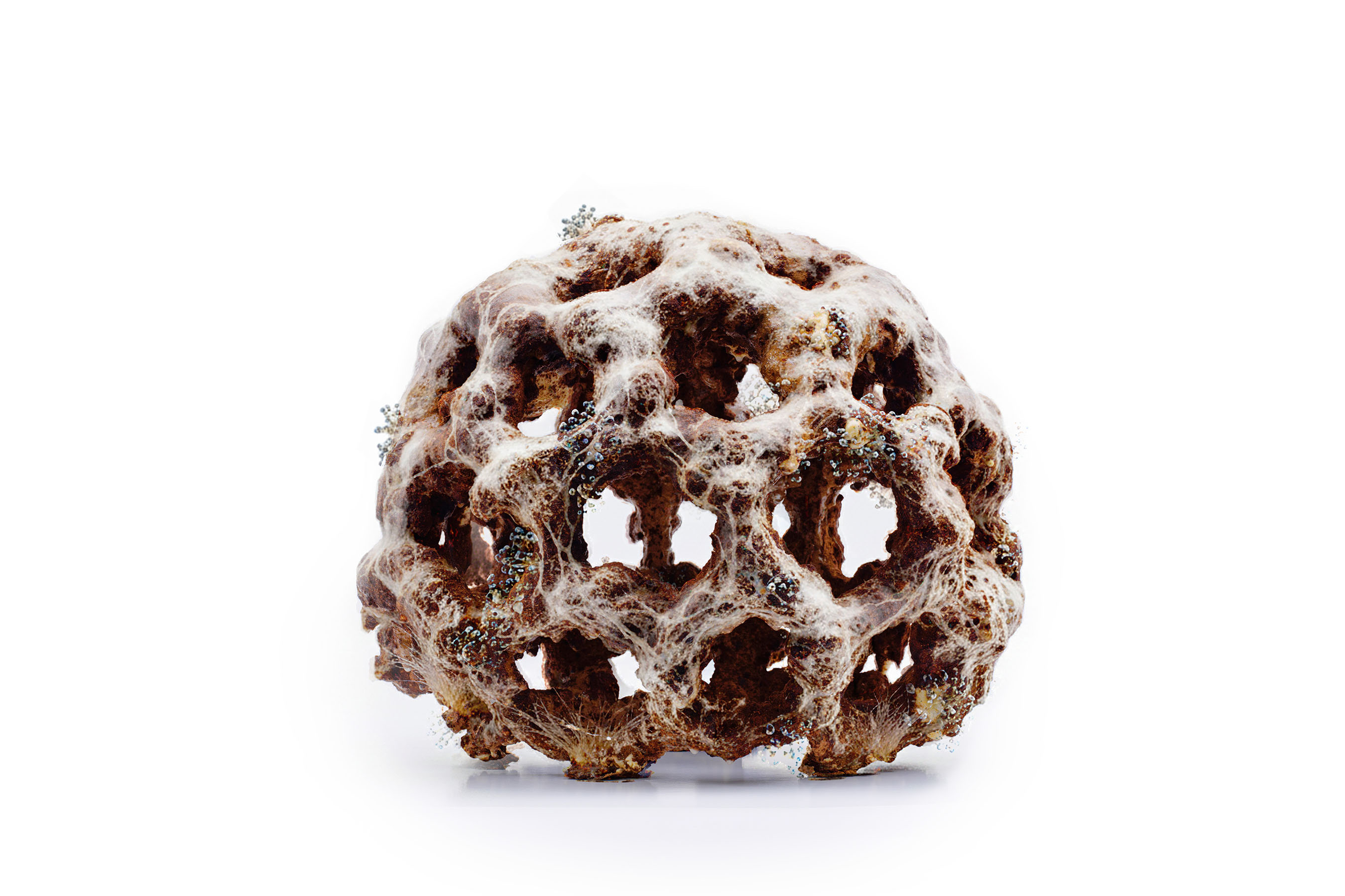
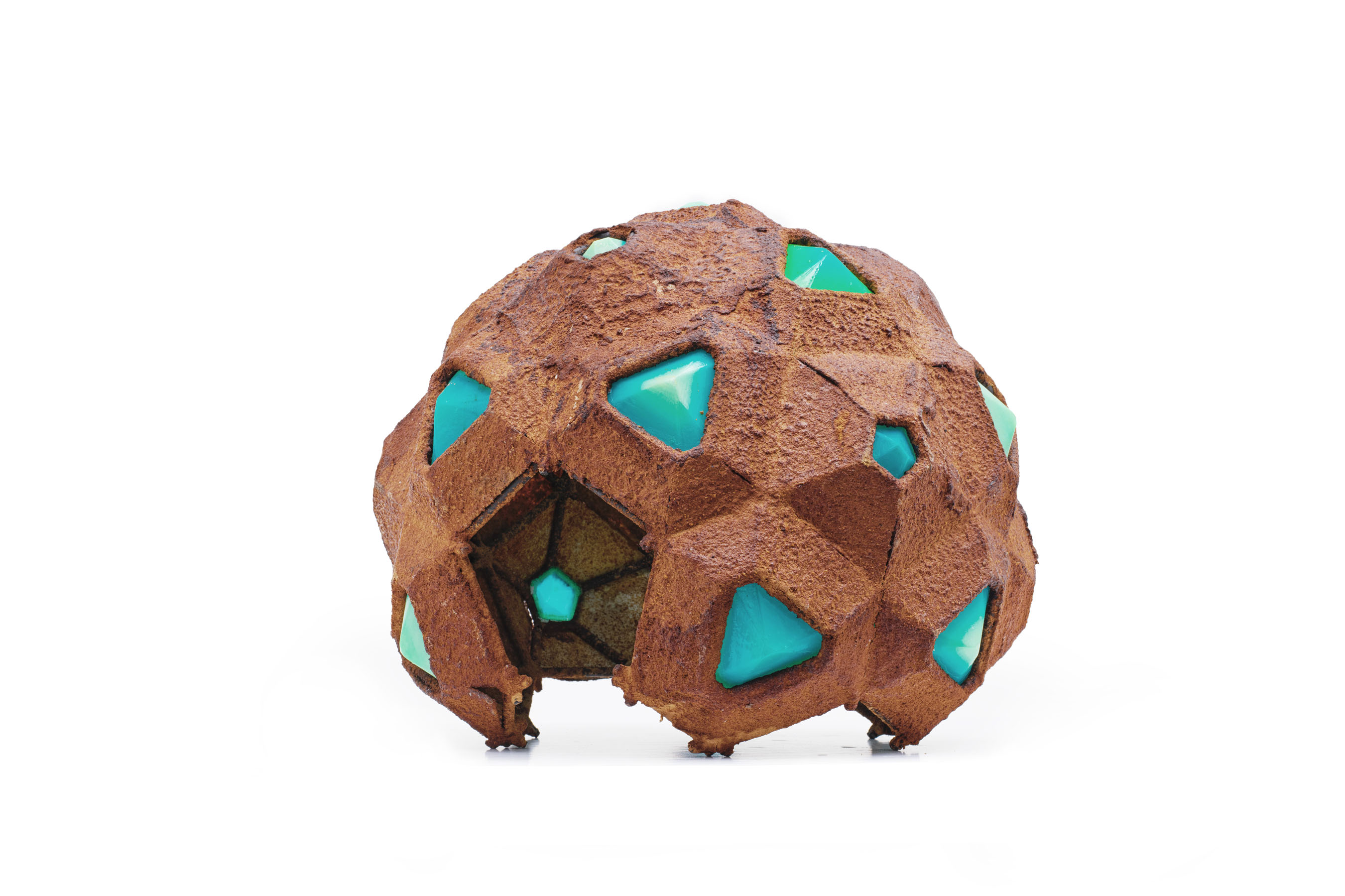
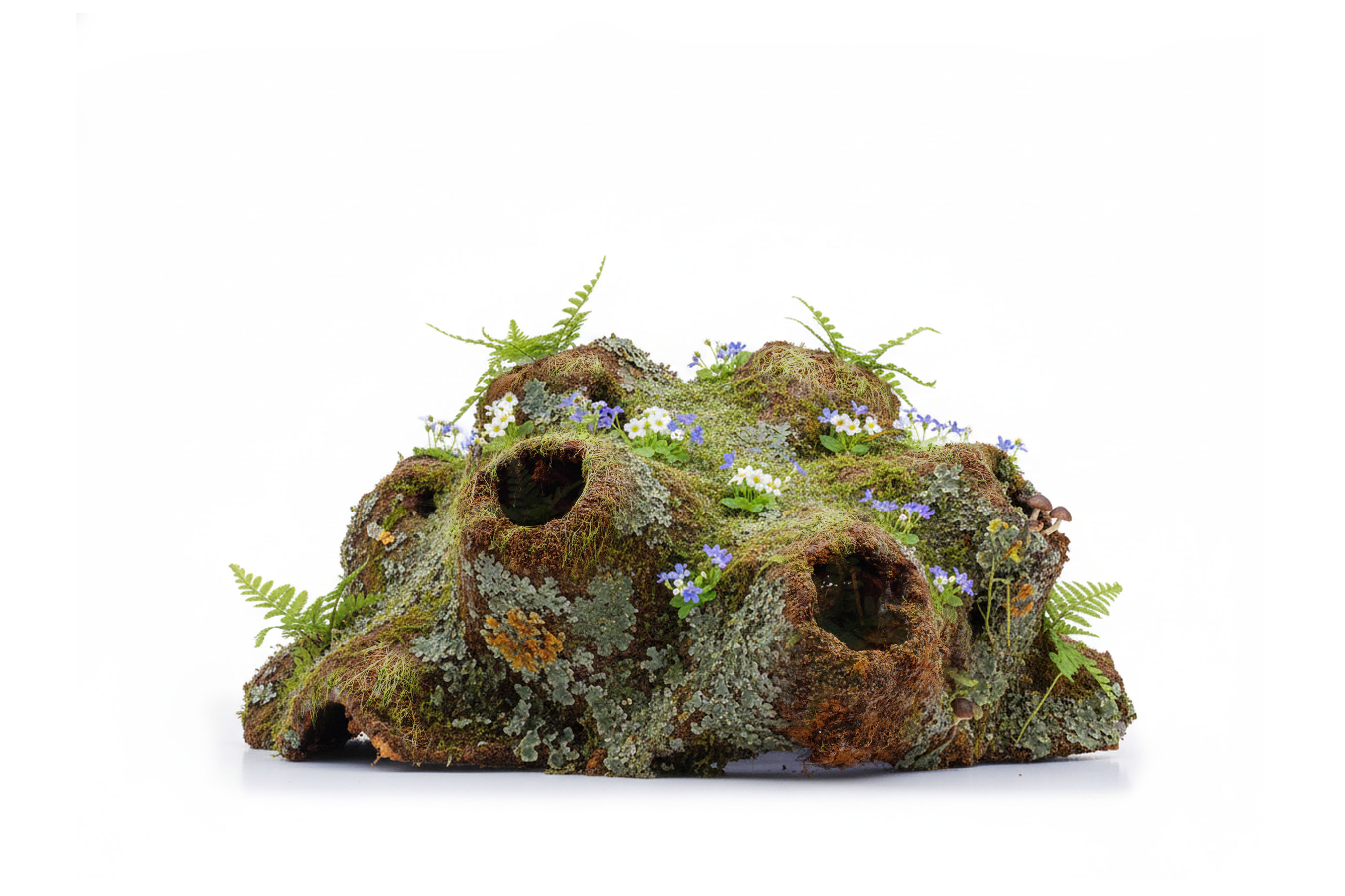
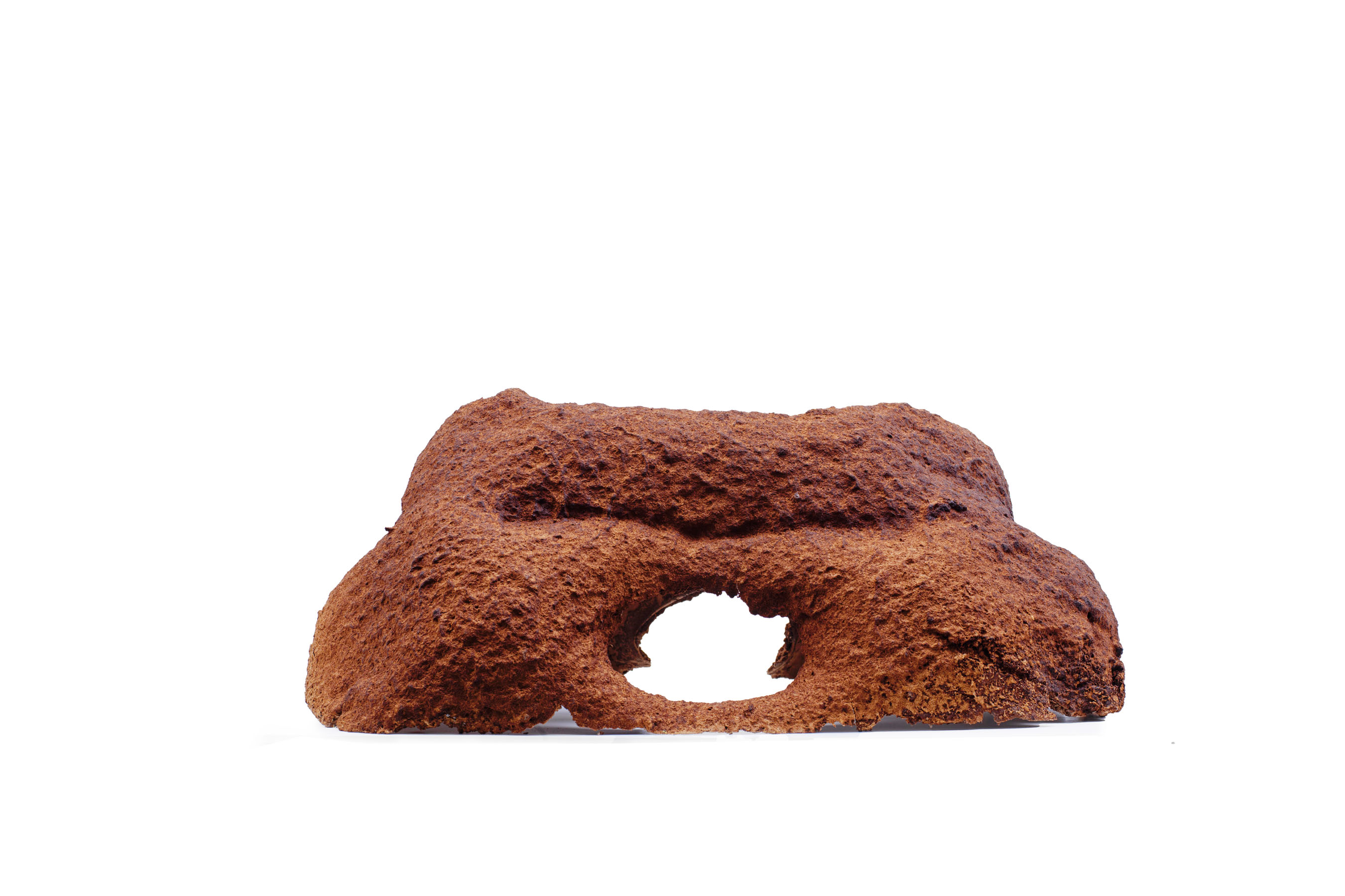
Prototypes
WoodSpray


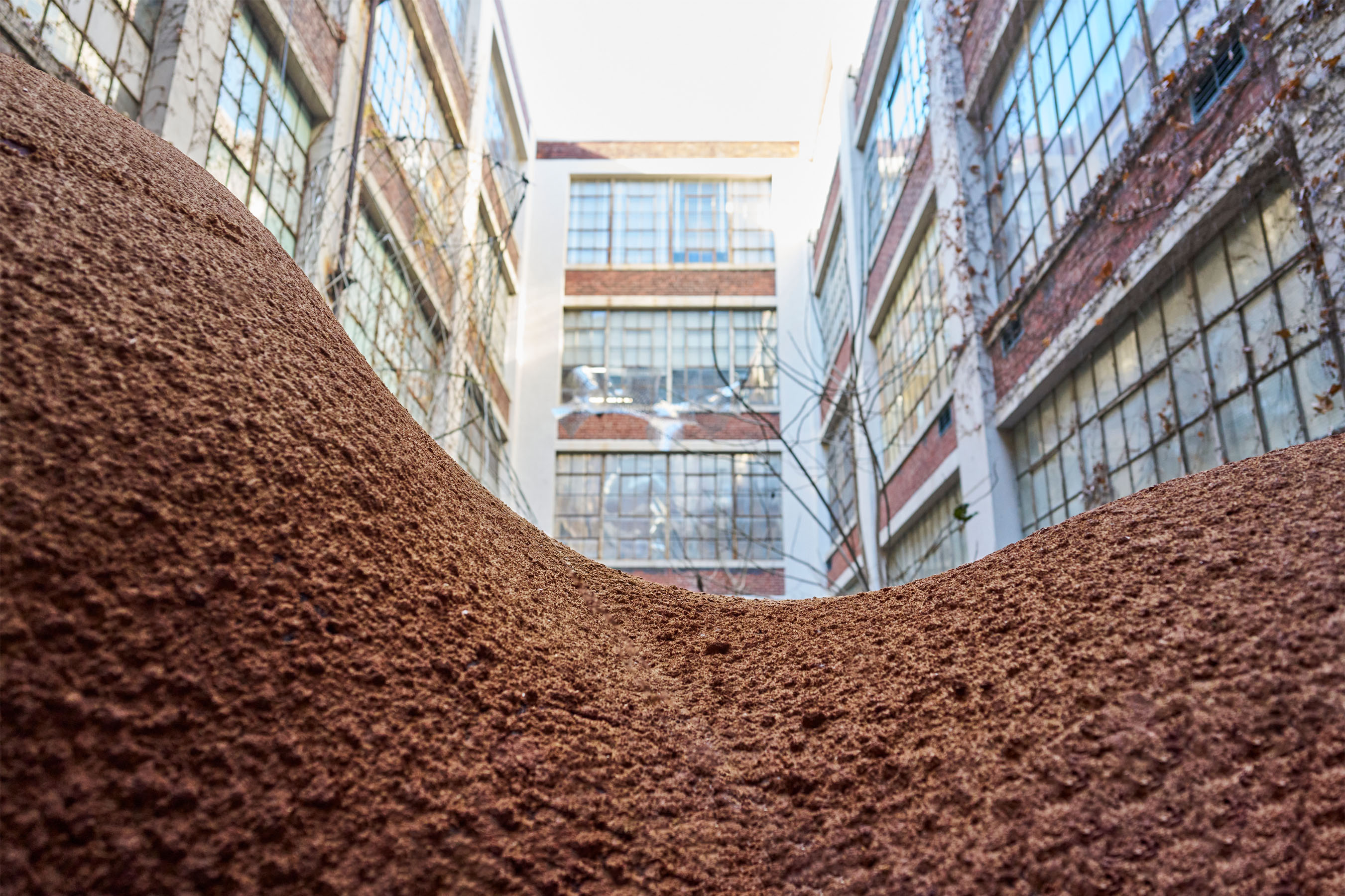


Full Scale Mockup